Thyroid and weight loss: an Indian diet that works
Yes, you can lose weight with hypothyroidism. Once your thyroid is treated and your levels are in range, your body loses fat the same way anyone else's does: by eating a little less than it uses. The difference is in how gently you cut, how you take your tablet, and how much patience you give it.
Why does thyroid make weight loss feel harder?
An underactive thyroid slows how much energy your body uses at rest, and it often brings tiredness, puffiness and water retention. Much of the extra weight in untreated hypothyroidism is salt and water, which is why the scale often drops a little once treatment starts.
Once your levels are back in range, the tablet is doing its job and the thyroid is no longer the main reason weight stays on. What usually gets in the way then is the same as for everyone: portions, oil, sugar in drinks, sleep and moving too little. The good news is that all of those are in your hands.
How much should you eat with hypothyroidism?
For most women the BodyQuest app sets food at 30% below what the body uses in a day. With a thyroid condition it cuts only 20%. Cutting hard tends to backfire here: you feel more tired, move less without noticing, and the plan becomes hard to keep.
Here is what that means for one example woman: 32 years old, 160 cm, 72 kg, with some walking and housework in her day.
| Calories a day | Loss a week | |
|---|---|---|
| What her body uses (maintenance) | 1,920 kcal | – |
| Usual plan, 30% less | 1,344 kcal | about 0.5 kg |
| Thyroid plan, 20% less | 1,536 kcal | about 0.3 kg |
She would also aim for about 95 g of protein a day on a vegetarian diet. Work out your own numbers with the calorie calculator and choose "Yes" for thyroid.
Take your tablet the same way every day
Thyroid tablets are absorbed best on an empty stomach. Most doctors suggest:
- Take it with plain water as soon as you wake up, 30 to 60 minutes before tea, coffee or breakfast.
- Keep calcium and iron tablets about four hours away from it. Milk, curd and soya eaten right next to the tablet can also lower how much you absorb.
- Keep the routine the same every day, so your doctor's dose stays right for you.
This fits well with a weight-loss morning: tablet, a glass of water, then a protein breakfast once the gap is over.
Which foods are fine with thyroid, and which to watch?
| Food | With hypothyroidism |
|---|---|
| Gobi, cabbage, broccoli, palak | Fine cooked, in normal portions. Only very large raw amounts matter. |
| Soya chunks, tofu | Fine as food. Keep them a few hours away from the tablet. |
| Iodised salt | Use it. Don't switch to rock salt only, which usually has no added iodine. |
| Dal, paneer, curd, eggs, chicken, fish | Good protein, keeps you full on fewer calories. |
| Sugar in chai, sweets, fried snacks | The easiest calories to cut, as for everyone. |
| Millets (jowar, bajra, ragi) | Fine in normal amounts; a jowar roti is a good swap. |
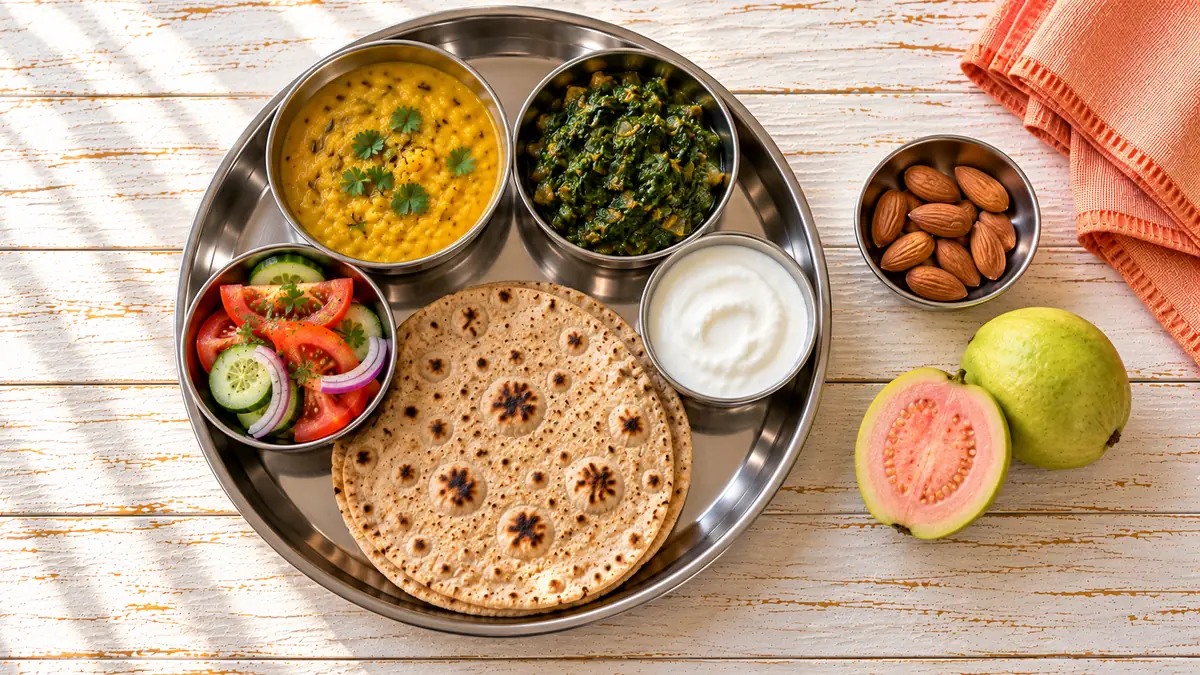
There is no special "thyroid diet" that melts weight. A normal, balanced Indian plate with measured portions works.
A sample day
A vegetarian day from the BodyQuest plan. The app scales the same dishes to your own calorie and protein numbers.
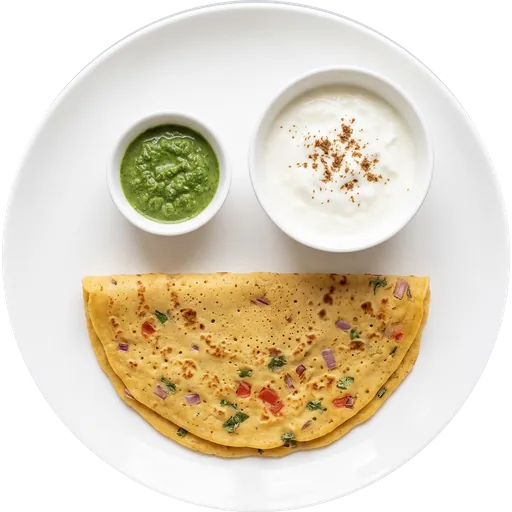
Besan chilla with curd and green chutney
Besan 1 chilla; Chopped vegetables 60 g before cooking; Hung curd (thick curd) 75 g; Green chutney 15 g; Cooking oil 4 g
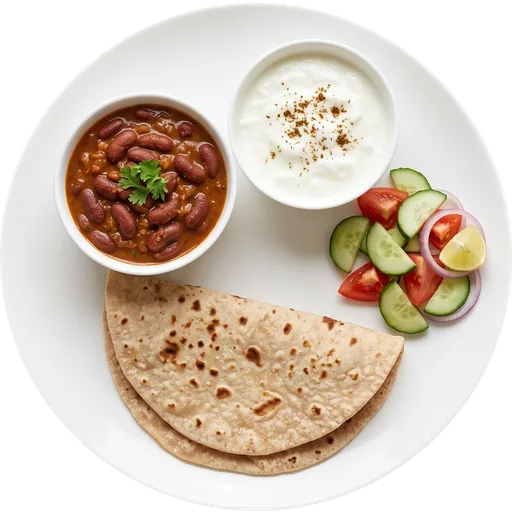
Rajma with roti, curd and salad
Whole wheat atta 2 rotis; Rajma 50 g dry; Hung curd (thick curd) 100 g; Salad 100 g; Cooking oil 4 g
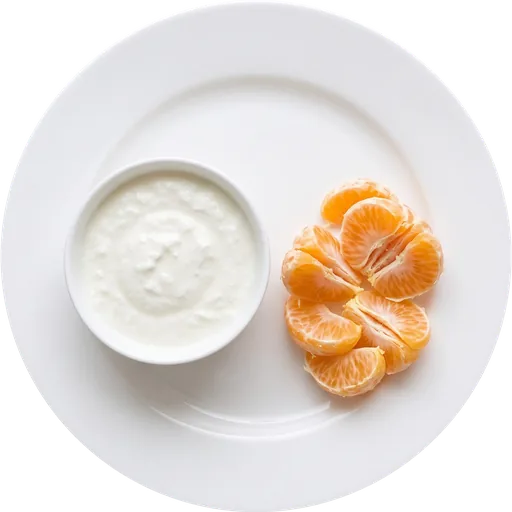
Curd with a fruit
Hung curd (thick curd) 125 g; Seasonal fruit 100 g
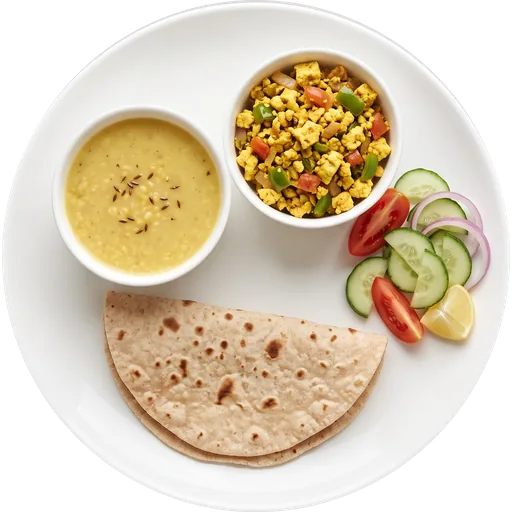
Paneer bhurji with dal, roti and salad
Whole wheat atta 1 roti; Low-fat paneer 100 g; Moong dal 20 g dry; Salad 100 g; Cooking oil 4 g
Habits that help most with thyroid
- Sleep 7 to 8 hours. Tiredness is already part of hypothyroidism; short sleep makes it worse and makes you hungrier.
- Move every day, gently. A 20-minute home workout and a walk after meals beat a hard session you skip.
- Protein at every meal to protect your muscle while you lose fat.
- Recheck your levels as often as your doctor suggests, especially as you lose weight; doses sometimes need adjusting.
- Measure progress over months. Watch your waist and how your clothes fit, not only the scale.
Questions people ask
Can I lose weight with hypothyroidism?
Yes. When your thyroid is treated and your TSH is in the range your doctor wants, weight loss works the same way as for anyone else. Untreated hypothyroidism makes it harder, so get your levels checked first.
Should people with thyroid avoid cabbage and cauliflower?
No. Normal, cooked portions of gobi, cabbage, broccoli and other vegetables are fine. They only matter in very large raw amounts, especially when iodine is low, and iodised salt takes care of that.
Can I eat soya and tofu with thyroid?
Yes, in normal food amounts. Soya can reduce how well the tablet is absorbed if you eat it right next to the tablet, so keep a gap of a few hours and keep your routine the same every day.
When should I take my thyroid tablet?
Most doctors advise taking it on an empty stomach with water, 30 to 60 minutes before breakfast or tea, at the same time every day. Keep calcium and iron supplements about four hours away from it. Follow your own doctor's instructions.
How fast can I lose weight with thyroid?
Slower is better here. With a 20% cut, many women lose roughly 0.25 to 0.5 kg a week. In our example below that comes to about 0.3 kg a week.
Sources
- NIH (NIDDK): Hypothyroidism
- American Thyroid Association: Hypothyroidism
- ICMR-NIN: Dietary Guidelines for Indians (2024)

BodyQuest is a home weight-loss programme for Indian women, made by ASANAR STUDIOS in Mohali, Punjab. The calories, protein and portions in our articles come from the same food data and method the BodyQuest app uses to build each member's daily plan, and our advice follows the public guidance listed under Sources. We are not doctors: for a health condition, check with yours.
BodyQuest gives general fitness and food guidance for healthy adults. It does not diagnose or treat any condition. If you are pregnant, breastfeeding, or managing a health condition such as diabetes, thyroid or PCOS, check with your doctor before changing your diet or exercise.